Root Cause as a Detective
Unit shutdown during functional tests but passed the tests after reboot. Should it be sent to inventory for shipping?
Issue
Operators find some units experienced unexpected shutdowns during motor operation tests. However, QC member tests it and it is ok. If you are the manager or QA engineer, what will you do for this situation? A deep research is needed to understand the root cause.
Root Cause Process
Make a test feature to simulate the module of motor operation.
Swap the component from that shut-down unit one by one and try to repeat the issue.
Of course it won't show up until you keep trying. Patience is required.
When we find the target component is motor, open it with supplier engineer together. That is important for the root cause analysis and "attribution of responsibility".
We found some carbon powder at the commutator, and that could cause short circuit and shutdown.
But how it happened?
We also found some oil residue at the commutator, we suspect that the oil residue is the cause of carbon powder.
Compare with good motor, there is no oil residue. Process related with oil residue is the root cause.
We check all material related to oil and we found the oil is from the grease at gear box. The amount is not controlled at supplier.
As amount of grease is also related to the performance of motor, supplier add more grease when the motor performance is not good, but too much grease will cause oil residue at commutator and lead to carbon powder and short circuit.
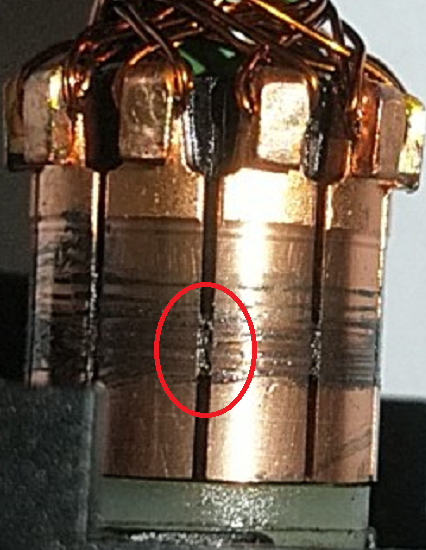
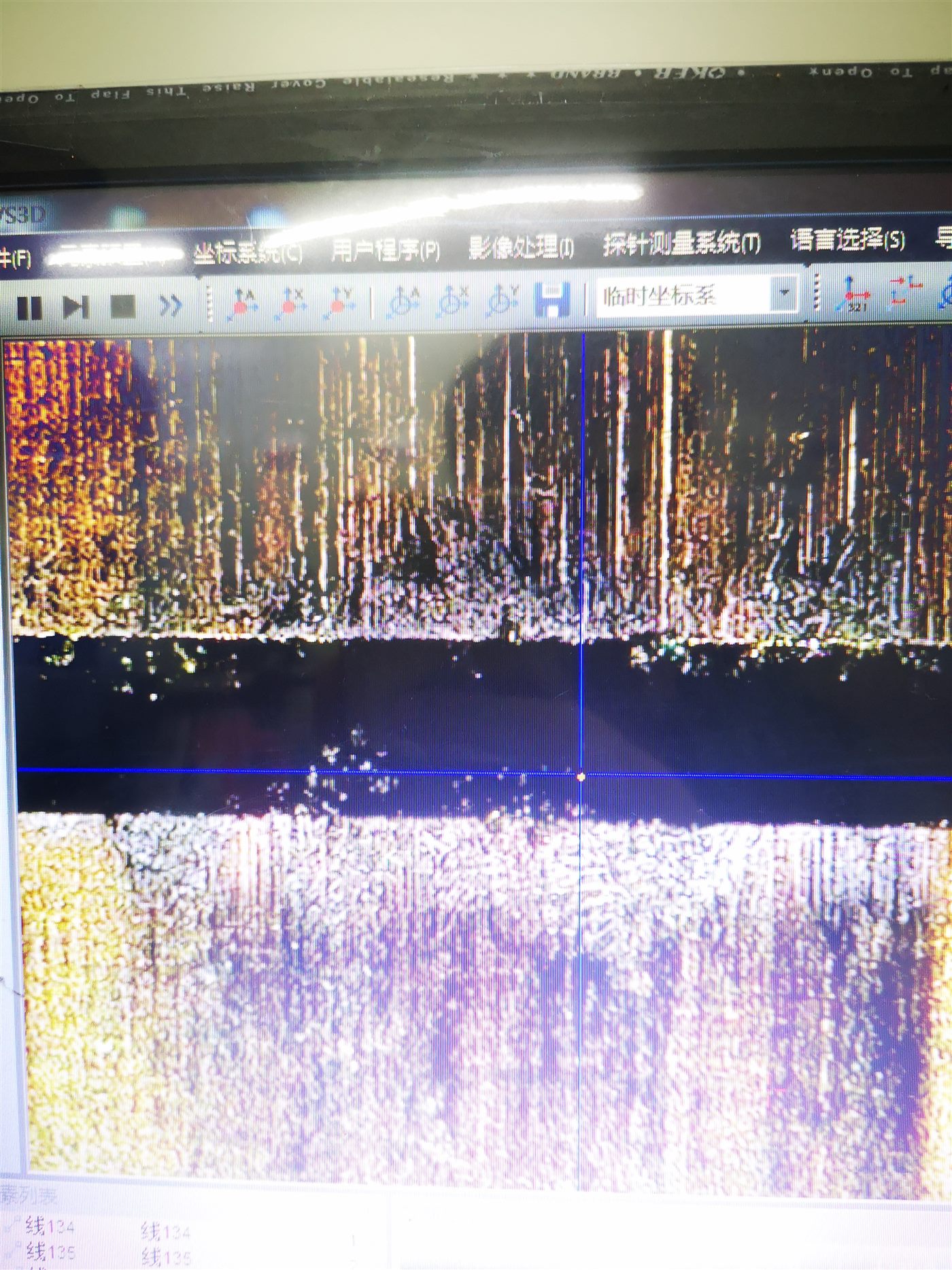
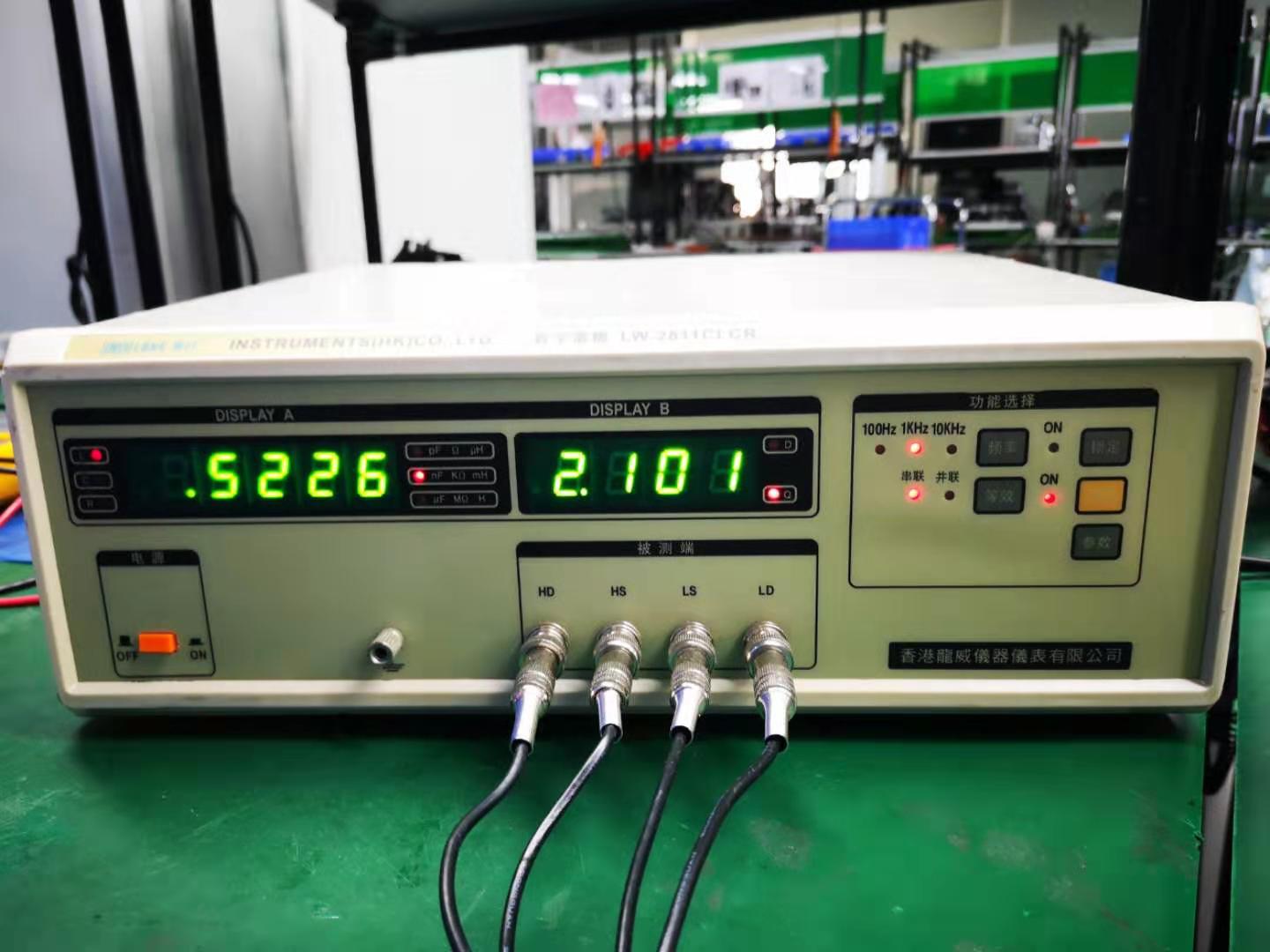
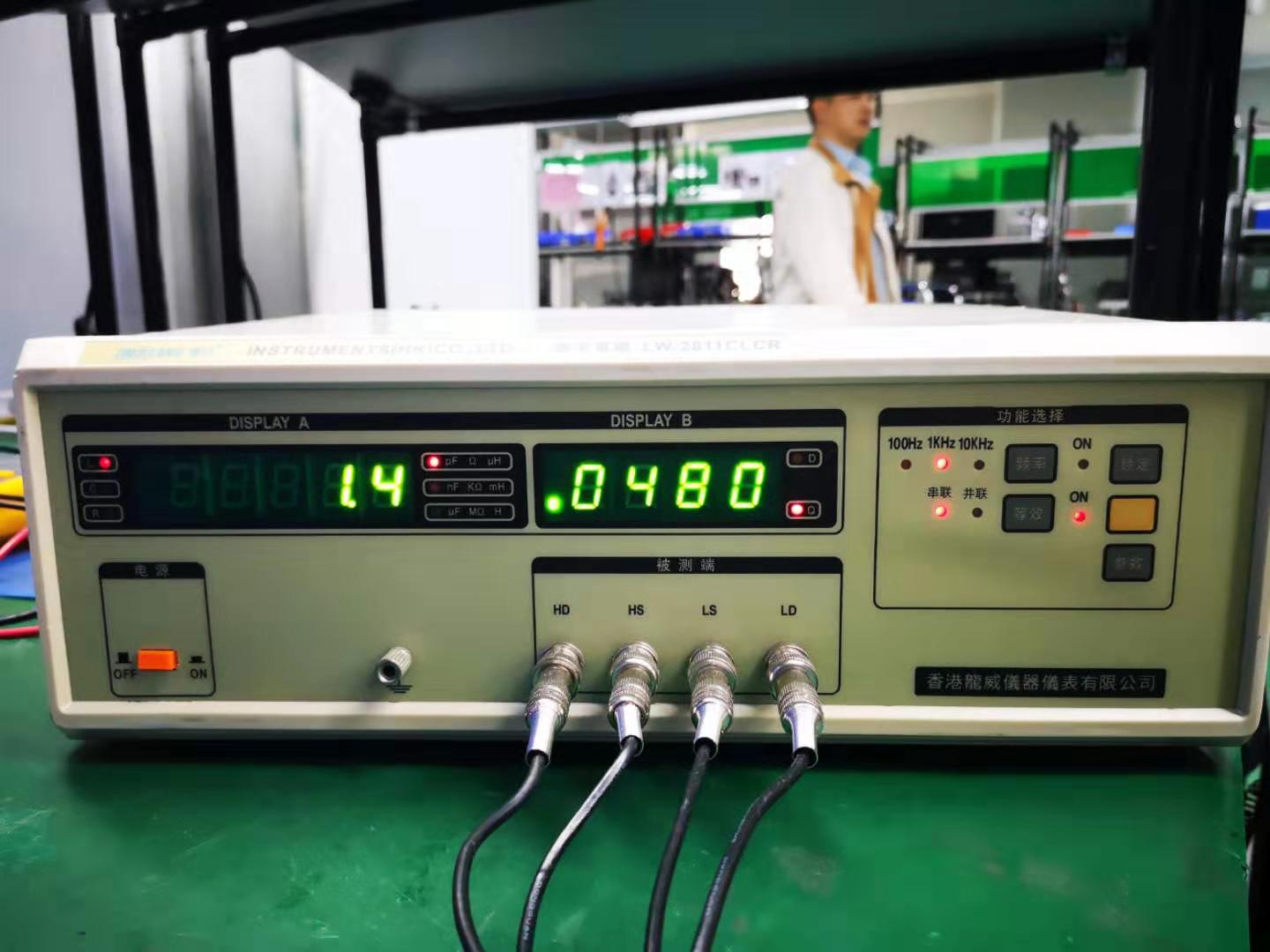
Confirm the shutdown was caused by short circuit of motor, which was caused by extra grease of motor.
1. Control the amount of grease applied to the motor by SOP at supplier.
2. Inventory return to supplier, burn-in -> LCR inspection
3. Monitor FPY at CM to see if problem solved
4. Suggest client that EC to the brushless motor, less noise and stable. But higher cost
Actually I hid a truth of the above case. It was the ideal situation if we had been involved earlier.
This failure was caused at customer side and led to a field recall.
15% of units sent back due to this issue, and more and more customers complained about the unit shutdown.
Repair at warehouse was not working because all the inventory motors could be the bad ones.
It caused a big loss to the client and huge damage of brand.